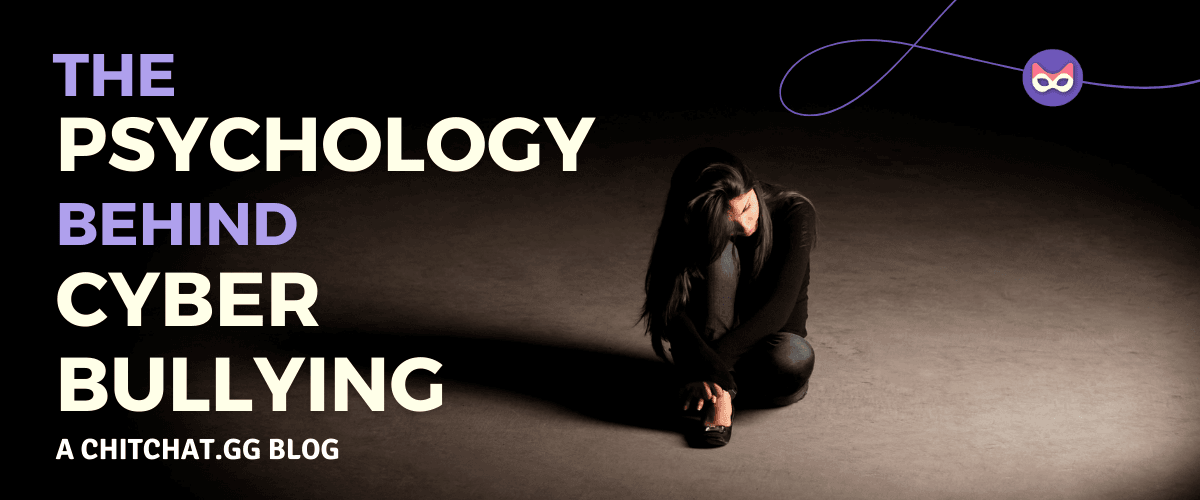
Inside the Mind of a Troll: The Psychology Behind Cyber Bullying
Behind the Keyboard: Unraveling the Minds of Trolls and Bullies
The internet - a world of connection, information, and endless cat videos. But lurking beneath that glossy surface is a darker side: online bullying and trolling. This can cause significant emotional distress and harm to victims. Why do people engage in this hurtful behavior? Let’s dive into the psychology behind this troubling trend, exploring the motivations, characteristics, and consequences of these harmful actions.
Motivations and Triggers
Research suggests that trolling behavior can be triggered by various factors, including a persons mood and the surrounding context of a discussion. Negative emotions, like anger or frustration, can increase the likelihood of engaging in trolling. Exposure to previous trolling behavior within a discussion can normalize and encourage more trolling. Some people may use trolling and bullying as an outlet for their frustration, insecurities, or a sense of powerlessness in their offline lives.
The Mask of Anonymity
One of the most powerful factors driving online nastiness is anonymity. The internet gives people a digital mask to hide behind. When you’re not staring someone in the face, it’s easier to forget they’re a real person with feelings. This disconnect is called “online disinhibition effect,” and it can make people say things they’d never dream of uttering aloud.
The Thrill Seekers
Let’s not forget the boredom factor. Some trolls are like bored kids poking a stick into an anthill - they’re looking for a reaction, a bit of drama. They get off on the chaos, controversy, and the power of disruptive conversations.
Group Mentality Mob
It’s easier to be mean when you’re part of a pack. In online spaces, people can get swept up in a mob mentality. They see others piling on, and they join in, shedding their inhibitions within the crowd. The feeling of being part of something, even if it’s nasty, can be intoxicating.
Who Are the Trolls?
While it’s easy to paint trolls with a paintbrush, there are underlying characteristics that often surface. Some trolls take pleasure in causing others emotional pain, finding a sadistic form of entertainment in inflicting distress. They may struggle with empathy, making it difficult for them to grasp the full impact their words have. Others might be driven by a narcissistic need for attention and crave the spotlight, even if the light only shines on their negativity. The anonymity provided by the internet emboldens them to say things they likely would never consider in a face-to-face encounter.
The Toll on Victims
It’s crucial to remember that the effects of online bullying and trolling reach far beyond “just words on a screen.” Victims can experience deep emotional distress, with anxiety, depression, fear, and humiliation becoming common companions. Their self-esteem may take a serious blow as they internalize the cruel negativity directed their way. Some victims begin to withdraw socially, both from the online world and in-person interactions, retreating out of shame or fear of further attacks. Tragically, in the most severe cases, cyberbullying has been linked to self-harm and even suicide.
What Can We Do?
While understanding the psychology of trolls and bullies is important, it doesn’t condone their behavior. We can work towards a healthier online world. One of the best ways to combat trolls is to refuse to play their game. Ignore their attempts to engage, report their behavior, block them, and move on. It’s crucial to stand up for victims and challenge bullying behavior when we witness it. Show trolls that there’s a better way to interact by actively modeling that the online world starts with each of us. Choose to be the kind of person you want to see reflected on the internet.
The Power of Change
The internet holds great potential, but it’s up to us to harness it for good. By gaining a deeper understanding of online bullies and trolls, supporting their victims, actively taking a stand for positivity, we can tip the scales in favor of a kinder, more compassionate online world. Kindness can be stronger than cruelty - let’s be the ones to prove it.